Balanced TCM Constitution: Meaning, Limits and Everyday Care
Balanced is a reference category in the nine-type TCM framework, not a certificate of health. Learn what the description means and how to use it without overlooking symptoms.
By WellTao · Published: · Last updated: · Editorial Policy
Characteristics
3
key traits
Diet Tips
2
diet tips
Lifestyle
2
lifestyle tips
Balanced constitution is the relatively even reference category in the traditional nine-type framework. The Hong Kong Department of Health overview describes it through the language of balance. This is an account of a traditional model, not a finding that a person’s organs, immune system or blood tests are normal.
What the label can tell you
It can give you a starting vocabulary for describing days when eating, resting and everyday activity feel manageable. It cannot establish that you rarely get ill, have superior genes or will stay healthy. A person can feel well and still need screening; an online result should not be used to cancel care or dismiss a change.
The practical question is less “How do I preserve a perfect type?” and more “Which habits are working well enough to keep?” A label does not create a need for seasonal tonics, herbal formulas or a particular set of foods.
A useful way to look at meals
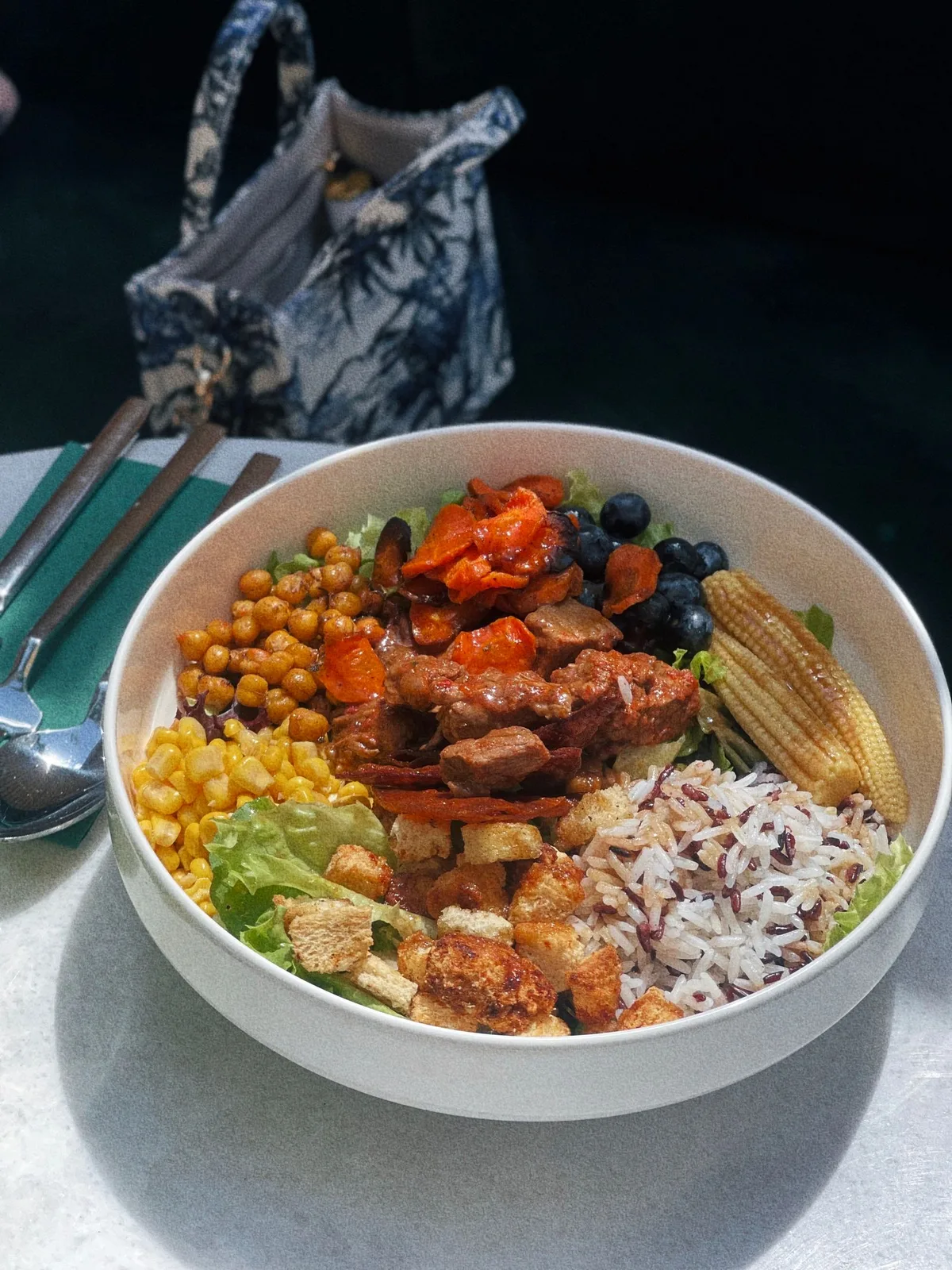
The NHS Eatwell Guide emphasizes variety across food groups and balance over a day or week, rather than requiring a perfect plate at every sitting. A rice, vegetable and tofu lunch and a lentil, vegetable and wholegrain supper are examples of meal planning, not treatments for a constitution.
Keep the distinction when reading a traditional food list: a food can be enjoyable without having a demonstrated effect on a body-type score. Allergies, preferences, access and advice for an existing condition matter more than fitting a list.
Record what “well” actually means to you

| Note | Example of a useful entry |
|---|---|
| Routine you want to keep | Lunch was planned, so I did not skip it |
| Usual feeling | I had enough energy for my normal afternoon |
| Change worth following up | A new symptom appeared despite feeling well before |
This is an editorial observation tool, not a validated questionnaire. Compare it with your own usual experience, rather than someone else’s appearance or exercise capacity.
When the label is no longer the useful question
A new, persistent or worsening concern deserves appropriate professional assessment. “Balanced” cannot rule out illness. To understand how the nine categories differ, read the nine-type guide; use any self-check for learning rather than medical decisions.
Characteristics
Diet Tips
- Use food variety rather than a tonic shopping list
- Consider the balance of meals over a day or week
Lifestyle
- 1 Keep notes on routines you already find sustainable
- 2 Follow ordinary screening and care advice independently of a quiz result
References2 sources
- 01
香港卫生署中医药规管办公室 / Department of Health, Hong Kong
- 02
Discover Your Constitution
Explore all nine TCM constitution types to understand your body and get personalized health recommendations.