herb
Astragalus (Huang Qi): Traditional Use and Evidence Limits
Identify astragalus root, separate traditional qi-tonic claims from clinical evidence, and check immune-system and medicine precautions.
By WellTao · Published: · Last updated: · Editorial Policy

What is Huang Qi?
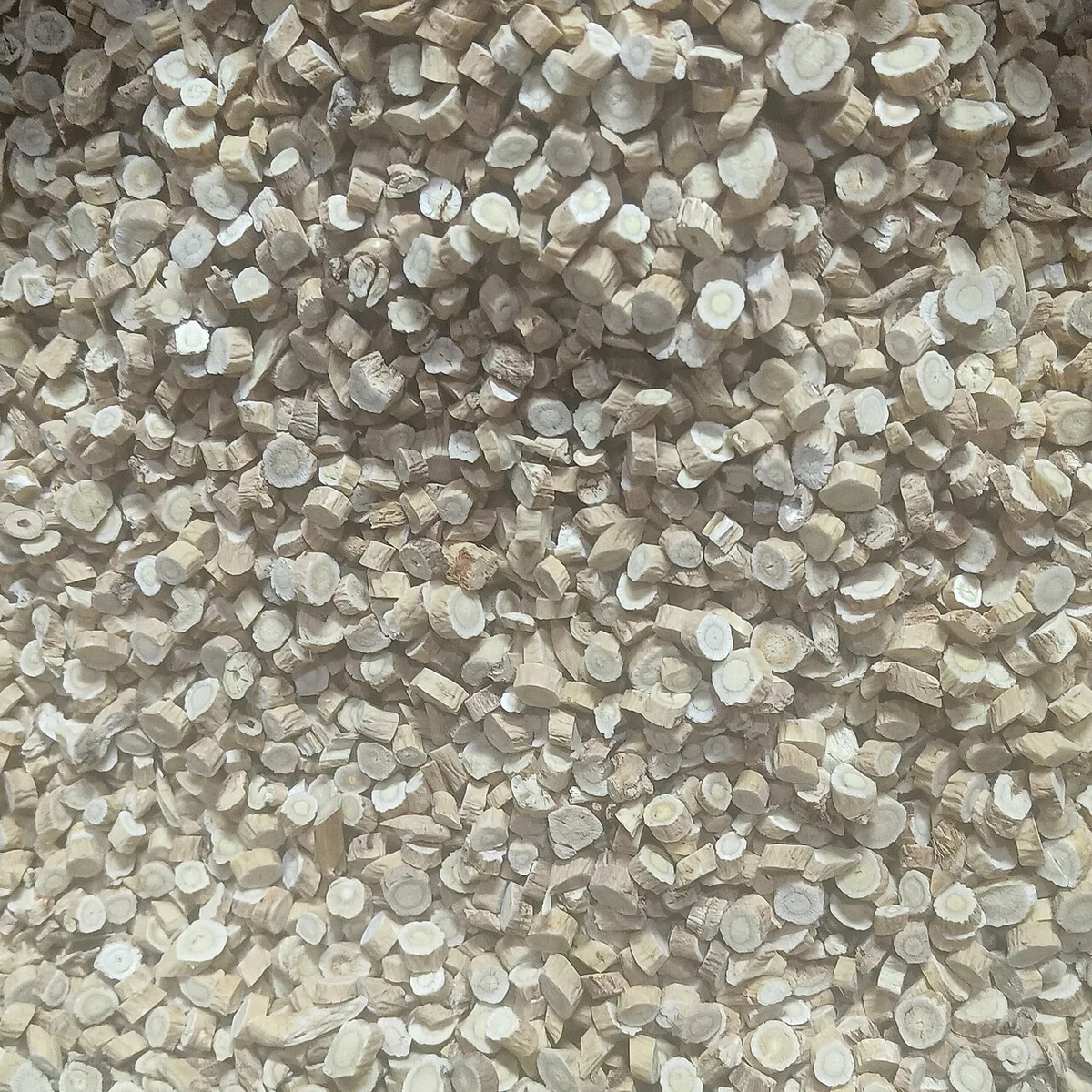
Huang Qi is a Chinese medicinal root commonly sold as pale, fibrous slices. “Astragalus” is also the name of a large plant genus, so the name alone is not enough to identify a medicinal product. This page concerns the root sold as Huang Qi, not ornamental plants or an invitation to harvest a lookalike.
Is it proven to boost immunity?
NCCIH’s astragalus summary says there is not enough reliable evidence to determine whether it helps any health condition. Studies of combined herbal preparations do not isolate the effect of this root, and weaknesses in study design limit the conclusions. “Traditionally used as a qi tonic” is therefore a description of practice, not proof that it prevents colds or repairs an immune system.
There is no useful reason to treat every infection or period of tiredness as a signal to buy astragalus. A clear account of the problem—when it started, what has changed and what treatment is already being used—gives a clinician something concrete to assess.
Who needs particular caution?
NCCIH advises avoiding astragalus in autoimmune disease because it might worsen symptoms. It may interact with medicines that suppress the immune system. Safety during pregnancy and breastfeeding is not established. “Natural” and “immune support” on a label do not resolve those concerns.
Before buying a product, ask:
- Is the botanical identity and plant part stated?
- Is this a single ingredient or a mixture?
- Can a pharmacist check it against my medicines?
- What specific outcome would justify taking it, and how would that be assessed?
Why is there no home-treatment dose here?
A packet of slices, a powder and a concentrated extract are different preparations. Repeating a gram range without identifying the preparation or the person using it can make a catalogue entry look like a prescription. This reference page provides neither a dosing schedule nor instructions to replace treatment. For wider issues such as contamination and inconsistent research, see NCCIH’s Chinese medicine overview.
This content is for educational purposes only. Dosage and contraindications vary by individual constitution. Always consult a qualified TCM practitioner before use.
References2 sources
- 01
NCCIH / NIH
- 02
Download the App
Get personalized TCM health recommendations