herb
Chen Pi (Dried Tangerine Peel): Identity and Traditional Uses
What Chen Pi is, how traditional qi and phlegm terms should be read, and why a herbal catalogue is not clinical proof for digestive symptoms.
By WellTao · Published: · Last updated: · Editorial Policy
Properties
Traditionally described as acrid, bitter and warm
Meridians
Spleen and Lung (traditional theory)
What is Chen Pi?
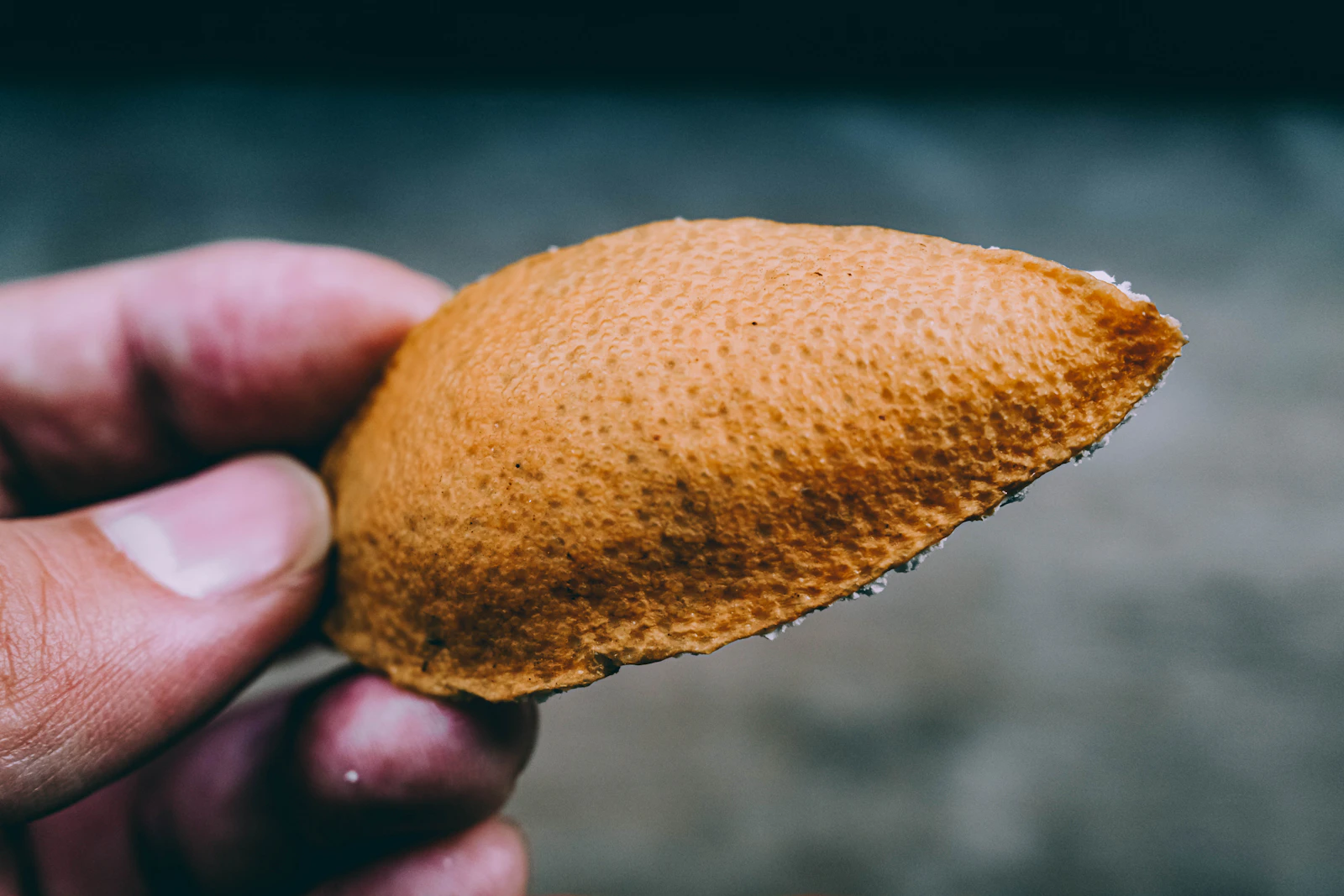
Chen Pi is the dried mature peel of Citrus reticulata Blanco and its cultivars. The Hong Kong Polytechnic University’s herbal catalogue identifies the material and records its traditional properties. The medicinal Latin name, Citri Reticulatae Pericarpium, names the drug material; it is not a separate plant species.
A photograph can help explain the ingredient, but it cannot confirm a batch’s identity, storage history or quality. Fresh household citrus peel, a preserved snack and a prepared herbal material should not be treated as interchangeable products.
How should the traditional terms be read?
The catalogue describes Chen Pi as acrid, bitter and warm, associated with the Spleen and Lung in traditional theory. “Regulating qi” and “transforming phlegm” belong to that framework. They do not establish an effect on a modern anatomical organ or prove that a drink treats reflux, infection or ongoing abdominal pain.
A materia medica entry tells you how a substance has been classified and used. A clinical study asks a different question: whether a defined preparation helps a defined group compared with an appropriate alternative. Reading one as the other overstates the evidence.
What about using it in food?
If you enjoy its citrus flavour, choose a product intended for food use and follow its preparation and storage instructions. This is a culinary choice rather than a treatment schedule. Mouldy material or a product with an unclear identity is not something to rescue by boiling it longer. For medicinal use, discuss the actual preparation and your medicines with a qualified professional; this page supplies no self-treatment dose.
When should digestive symptoms be checked?
The NHS bloating guidance advises assessment for recurrent or persistent bloating and accompanying symptoms. Do not assume “qi stagnation” explains every digestive change. Write down timing, meals, bowel changes and medicines so the consultation can address the pattern you are actually experiencing.
For broader limits of herbal evidence and product safety, see NCCIH’s Chinese medicine overview. An ingredient reference can help you ask better questions; it cannot diagnose the cause of an ongoing symptom.
This content is for educational purposes only. Dosage and contraindications vary by individual constitution. Always consult a qualified TCM practitioner before use.
References3 sources
- 01
The Hong Kong Polytechnic University
- 02
NHS
- 03
Download the App
Get personalized TCM health recommendations