What Foods Are Constipating? The Real Culprits and What to Eat Instead
No single 'toxic' food causes constipation — the pattern that does is low-fiber, ultra-processed eating crowding out what your gut needs. What to cut, what to swap in, whether to quit alcohol or coffee, and the mistakes that backfire.
By WellTao · Published: · Editorial Policy
More articles in this topicTable of contents
The short version
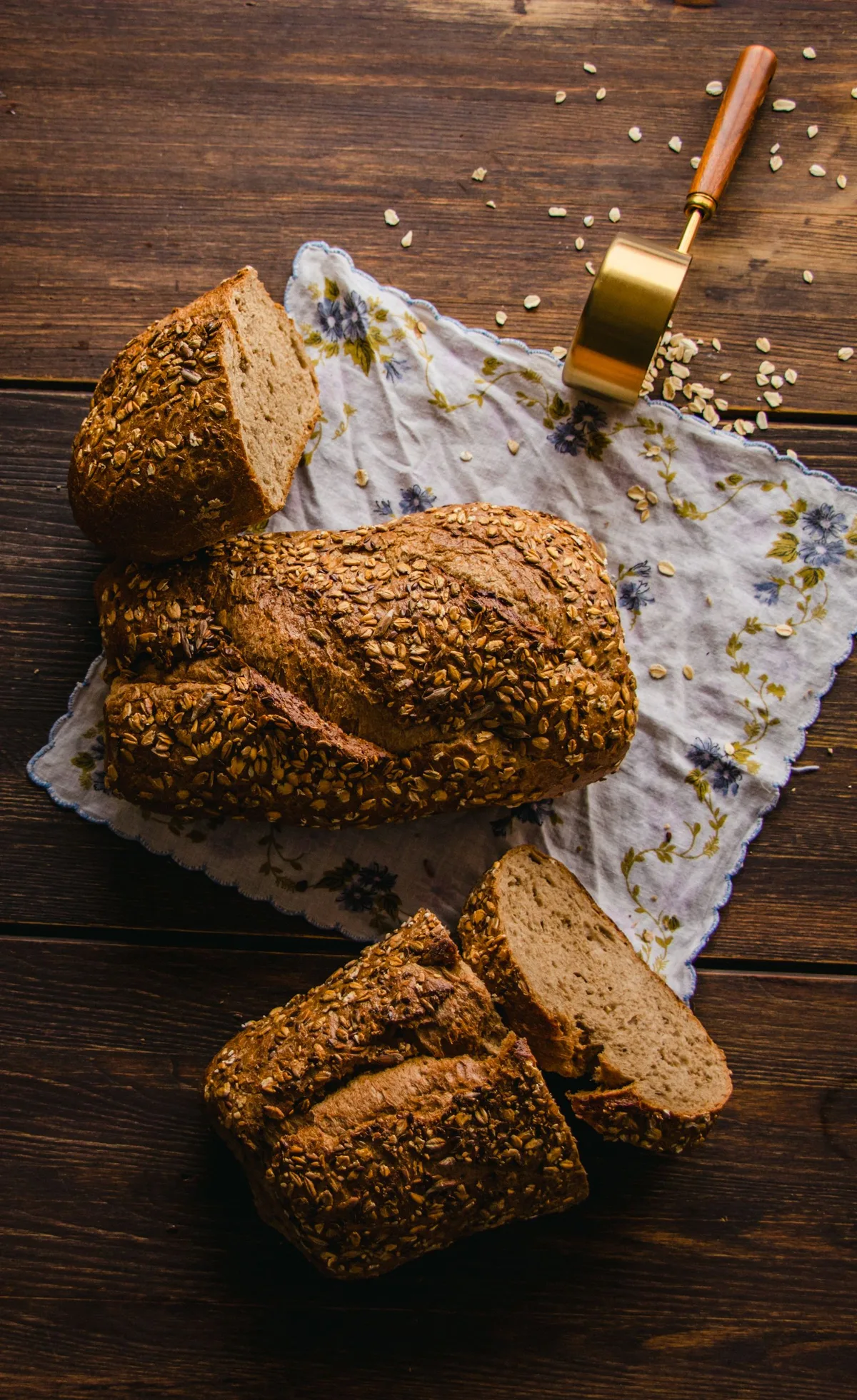
The foods worth avoiding for constipation aren’t a blacklist of specific villains — they’re a whole category: low-fiber, ultra-processed food. What NIDDK lists to avoid is chips, fast food, prepared meals, and processed snacks. What they share is near-zero fiber and high satiety — they fill the plate space your gut’s raw material was supposed to occupy.
Two things worth saying early. First, swapping beats quitting: replacing white bread with whole grain does more than grimly eating less of everything — a concrete swap table is below. Second, don’t take internet “never-eat” lists as medical orders: whether bananas, milk, or rice deserve cutting varies by person, and each gets a straight answer below. If bloating is your dominant symptom alongside constipation, read what to eat when constipated and bloated — the strategy is different.
Spot the traps in your diet
Quick self-audit — count how many apply:
- Processed food (chips, cookies, instant meals, fast food) covers at least one meal a day;
- Staples are almost all white rice and white flour, with little whole grain;
- Meat dominates, vegetables and legumes are garnish;
- You drink little water and reach for coffee, strong tea, or sweet drinks when thirsty;
- Alcohol is a frequent habit.
Two or more means the dietary pattern itself is a major driver — and the good news is this kind of constipation responds best to food changes. If you already eat well and still struggle, the cause probably isn’t a “bad food” but motility, routine, or medication — the constipation hub covers those directions.
What modern medicine says
The problem with processed food isn’t toxicity — it’s emptiness. Refining strips the bran and germ from grain, which is exactly where the fiber lives. White bread, chips, and frozen pizza arrive in the gut leaving almost no residue; without bulk, the colon lacks the physical signal to move. NIDDK’s dietary guidance puts “avoid foods with little to no fiber” on equal footing with “eat enough fiber” — avoidance and addition are two faces of the same change.
High-fat meals slow stomach emptying. Fried food and greasy fast food delay how quickly the stomach clears, stretching transit time through the whole tract — and the colon gets extra time to pull water out of the stool. “A few days of feasting plugs me up” is a real physiological experience, not superstition.
Alcohol and excess caffeine work through dehydration. Alcohol suppresses the hormone that keeps water in your body, increasing fluid loss through the kidneys; when the body runs dry, the colon reclaims even more water from stool. An occasional drink matters little; frequent drinking without matching fluids reliably hardens things up. The NHS constipation advice includes a specific line: avoid alcohol.
Some blamed foods are innocent. Ripe bananas and rice are not constipation culprits, and neither is milk for most adults — only people with milk-protein sensitivity or lactose intolerance see bowel changes. Without clear evidence that a food bothers you, there’s no reason to preemptively cut nutrient-dense staples.
How Chinese medicine understands it
In the traditional Chinese medicine (TCM) framework, “avoidance” for constipation was never a fixed eat/don’t-eat list — it’s a judgment about direction: does this food leave your gut drier or more moist, more stuck or more moving? Traditional theory evaluates the intestines along two axes: dryness (insufficient fluids, stool loses its lubrication) and stagnation (qi — the system’s motive force — isn’t flowing, so nothing pushes). Foods get sorted by their traditional natures: pungent-hot items (chili, spirits, barbecue, deep-fried food) are said to fan dryness and burn off fluids; cold raw items (iced drinks, big raw salads) are said to chill and slow a weak digestive engine; rich greasy food (high-fat processed fare) is said to bog the Spleen down and breed stagnation. Avoidance becomes individual: the same salad is moistening for a “dry” person and a burden for a “cold and stuck” one.
This nature-and-flavor framework is a traditional empirical model, not modern nutritional analysis — but the two overlap more than you might expect: spicy food and alcohol do promote water loss, high-fat fast food does delay gastric emptying, and low-fiber processed food does lack residue. Same directions, different languages (for an overview of TCM and the state of its evidence, see NCCIH’s TCM page).
By pattern, the avoidance priorities differ:
- The dry kind (hard stool, dry mouth, dry skin): traditionally avoid the parching-hot — chili, spirits, barbecue, fried food — which “consume fluids.” This aligns with the modern observation that dehydration hardens stool.
- The underpowered kind (effortful passage, general fatigue): traditionally, the warning runs the other way — excessive cold and raw food (iced drinks, raw salads) is said to “injure Spleen yang,” slowing an already weak engine. This matches the daily-care direction for yang-deficiency constitution tendencies.
- The bloated-stuck kind (constipation with bloating and burping): traditionally, cut back on gas-forming and cloying foods, and above all fix the eating rhythm — rushing meals or eating while angry scrambles the “qi” first.
The traditional constitution framework uses categories like qi-deficiency, yin-deficiency, yang-deficiency, and qi-stagnation to describe everyday tendencies. The link runs one way: a yin-deficiency leaning means watching parching foods, not that constipation after a hotpot proves you’re “yin deficient with internal heat.” The same person can carry a mix of patterns, and the mix shifts with state; formal differentiation takes an in-person TCM practitioner. A TCM constipation explainer from Beijing Chaoyang Hospital (in Chinese) likewise stresses that patterns differ in nature and so do their care directions.
Everyday swaps
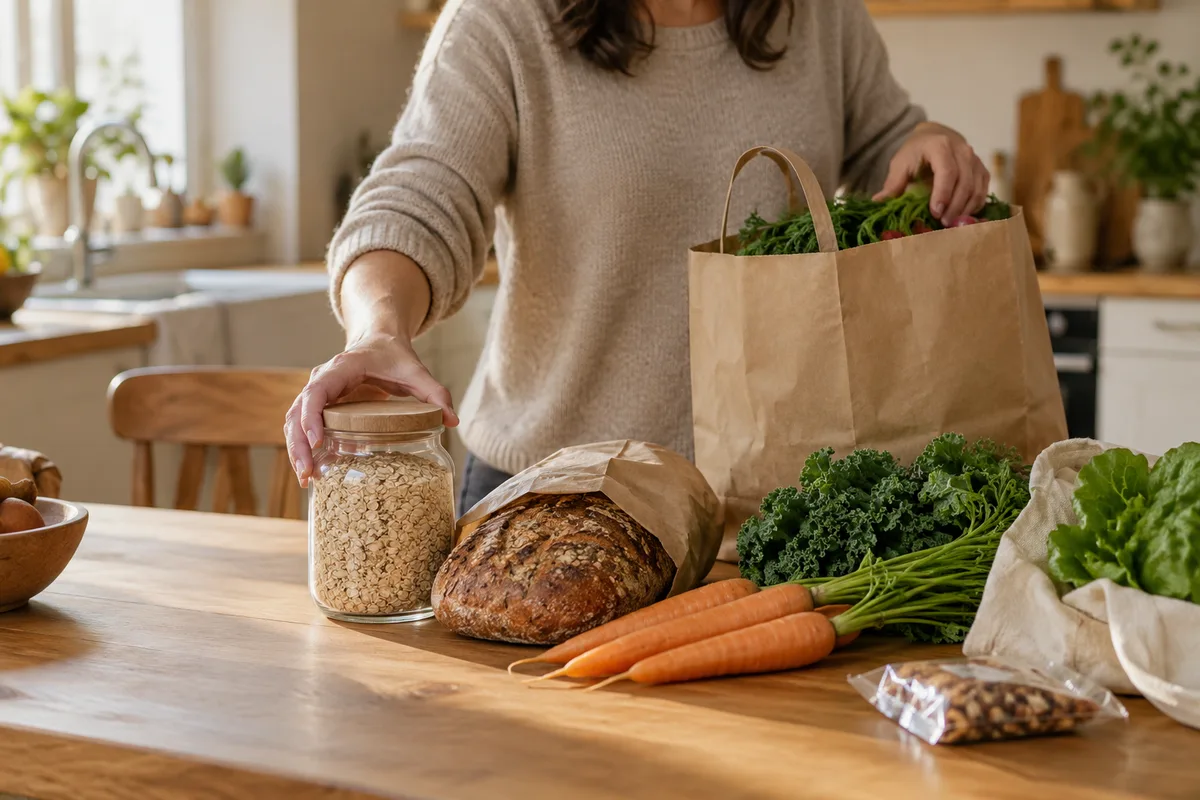
“Swap” beats “quit” for one reason: it’s executable. One or two swaps per meal and the plate changes itself:
- White bread → whole grain; white rice → brown rice or a two-thirds white, one-third brown mix. Check the label: “whole wheat flour” must be the first ingredient.
- Chips and cookies → a small handful of nuts (about 30 g) or a skin-on fruit. Almonds and peanuts are on NIDDK’s fiber list; with a nut allergy, roasted chickpeas do the job.
- Fast-food burger → a bean burrito or chicken salad at the same chain. Perfection isn’t required; fiber showing up at that meal is.
- Sugary drinks → water or unsweetened sparkling water. Coffee doesn’t need to go, but pair each cup with a glass of water — see the coffee article.
- Alcohol: consider limiting it while constipated, especially if it worsens dehydration or symptoms; no fixed abstinence period is established.
Start with whichever meal you eat most often — usually lunch or snacks.
TCM methods
Avoidance is only half the direction — the five categories below make the “swap” real, each marked with the constitution tendencies it suits. Everything in the food section is a food-therapy use of culinary ingredients; if you intend to use them as medicinal herbs, consult a licensed TCM practitioner.
Acupressure and self-massage
An hour after a meal or before bed, press with a fingertip pad, firm enough for a mild, bearable ache:
- Tianshu (ST25): about three finger-widths to either side of the navel, 60 seconds per side. Traditionally regulates the Large Intestine’s conduction — the most-used abdominal point while you’re changing your diet.
- Zhigou (TE6): back of the forearm, about four finger-widths above the wrist crease, between the two bones. Traditionally the empirical point for constipation; 60 seconds per side, with an extra round before the bathroom being the traditional use.
- Shangjuxu (ST37): about one palm-width below the outer knee hollow, one finger-width out from the shinbone (roughly three finger-widths below Zusanli (ST36)). Traditionally the Large Intestine’s “lower confluent point,” a standard partner for bowel regulation; 60 seconds per side.
- Belly rub: palm on abdomen, slow strokes along the colon’s path (lower right → upper right → upper left → lower left) for 3–5 minutes, helping gas and contents toward the exit. Direction matters.
Cautions: pregnant women should not press abdominal points or do the belly rub; skip over unhealed abdominal surgery or hernias; stop if it hurts. If you lean qi-stagnant, pair the pressing with slow exhales; qi-deficiency means half the pressure, same duration.
Food therapy
Chinese home-style track (swapping snacks and drinks, ingredients at Asian supermarkets or online):
- Chenpi water: steep 3–5 g dried tangerine peel (chenpi) in 300 ml hot water for 10 minutes. Traditionally moves qi and supports the Spleen — for the bloated-stuck kind who eats plenty but passes little. Use sparingly if you run dry-mouthed.
- Black sesame honey water: stir 10 g toasted black sesame powder into 250 ml warm water with 1 teaspoon honey. Traditionally both moisten and lubricate the intestine — the dry kind’s afternoon replacement for cookies. Skip the honey if managing blood sugar; honey is never for infants under one.
- Chinese yam and red date congee: 100 g cubed fresh Chinese yam (shan yao, sold fresh or vacuum-packed), 3 red dates, and 40 g rice simmered in 500 ml water. Traditionally supports the Spleen and boosts qi — a sturdier breakfast swap for the underpowered kind; yang-deficiency leanings can add a slice of ginger.
Western everyday track:
- Roasted vegetables with lentils: 150 g sweet potato and 100 g broccoli roasted at 180°C for 25 minutes, served over half a cup of cooked lentils with 1 teaspoon olive oil. A high-fiber dinner that directly displaces a fast-food one; yang-deficiency leanings can stew instead of roast and eat it warm.
- Nut-and-fruit box: 30 g almonds or walnuts plus a skin-on apple, packed to go. The afternoon chips-and-cookies replacement — nuts and fruit are exactly the sources on NIDDK’s list; with nut allergies, use roasted chickpeas.
Emotional care
Stress eating — grabbing snacks or fast food when pressure spikes — is the most common entry point for low-fiber eating. Traditional wellness holds that when the mind is unsettled, the gut knows first. The concrete move: when a craving arrives with an emotion, drink half a glass of water and wait ten minutes before deciding. Still want it after ten minutes? Have it — from the nut-and-fruit box. If you lean qi-stagnant, write the “ten-minute rule” on a sticky note on the snack cupboard; it works better than willpower. If the day ended in a food regret, write one line — “tomorrow I’ll swap which meal” — and let it go. Self-criticism is not a dietary method.
Movement
A daily 20–30 minute brisk walk at a pace where you can talk in full sentences. Exercise promotes gut motility, and it’s also time spent away from the pantry — fewer chances to graze on processed snacks. The NHS advises a daily walk or run for bowel regularity. In the traditional exercise set, the baduanjin (“eight brocades,” a slow sequence of eight gentle standing exercises) move “raise one arm to regulate the Spleen and Stomach” targets digestion; run through it 4–6 times morning and evening. If you lean qi-deficient or yang-deficient, start with 10 minutes of walking; yin-deficiency leanings stop at a light glow rather than a sweat.
Sleep and daily rhythm
- Three regular meals give the gut a rhythm to anticipate; feast-famine swings are what send people to fast food.
- Dinner to 70% full, finished 3 hours before bed — the gut needs its night off too.
- Shop after eating, not before. An empty stomach in a supermarket is when processed food enters the house; a full one follows the list.
Low-fiber swap table
Save this and check it when shopping:
| Ease off | Swap in | Why |
|---|---|---|
| White bread, white rice | Whole-grain bread, brown rice, oats | The bran holds the fiber your stool needs |
| Chips, cookies | 30 g nuts, skin-on apple or pear | Fiber plus good fats, longer satiety |
| Sausages, processed meat | Lentils, chickpeas, tofu | Legumes are the densest everyday fiber-protein combo |
| Sugary drinks | Water, unsweetened sparkling water | Sugar adds no fiber and displaces your water budget |
| Fried food | Roasted, stewed, or steamed versions | Less of the fat that drags on stomach emptying |
Execution rule: change one column at a time, hold it for a week, then move to the next. Change five at once and you’ll never know which worked — and you won’t keep any of them. If a swap brings noticeable bloating, read what to eat when constipated and bloated.
How long until you see improvement
Changes in stool and bowel habits vary. Some people notice changes within days; others take longer or need additional care. Use the swaps as flexible examples, not a timed treatment plan.
If a swap is uncomfortable, adjust it rather than adding more changes at once. Seek medical advice if constipation persists, worsens, or keeps disrupting daily life.
When to see a doctor
- Blood in the stool or black tarry stools, unexplained weight loss, or persistent fatigue;
- Persistent or worsening abdominal pain, vomiting, fever, or a complete inability to pass gas — prompt care;
- A sudden change in bowel habits, especially new after age 40;
- Constipation that persists despite self-care, worsens, or keeps disrupting your life;
- You’re on medication that can cause constipation (opioid painkillers, iron supplements, some antidepressants). Don’t stop them on your own — raise it with your doctor.
This article is general health education and can’t replace a doctor’s diagnosis or individualized advice.
Common questions
Should I quit milk when constipated?
Most people don’t need to. Milk has zero fiber, but it only becomes a problem when it displaces high-fiber food in volume, or when you’re lactose intolerant or milk-protein sensitive. If you suspect it, run a simple test: two weeks off, watch, two weeks back on, compare. Only adjust long-term if the difference is clear — and if you cut dairy long-term, mind your calcium.
Does rice really constipate you?
White rice is low in fiber, but the issue isn’t the rice — it’s rice with nothing alongside it. A bowl of white rice with a proper share of vegetables and legumes delivers plenty of fiber. Traditional wellness also considers plain rice neutral and Stomach-friendly; for the underpowered kind of constipation, warm congee is a reasonable base.
Do I have to quit processed food completely?
No, and trying to is unrealistic. The goal is demoting it from lead actor to cameo: once or twice a week won’t undo your gut; two or three times a day will. Cutting frequency in half is far more sustainable than a total ban — and effective enough.
For the positive list, read what foods help with constipation; the full care framework is in the constipation hub.
Still constipated after cutting foods? You may have cut the wrong ones
For some people the fix is less processed food; for others it's meal rhythm and constitution tendencies. Blanket restriction often makes things worse. The free constitution test shows your tendencies from a traditional wellness perspective and pairs well with the swap table in this article. It's a self-observation tool, not a medical diagnosis.
References5 sources
- 01
U.S. National Institute of Diabetes and Digestive and Kidney Diseases (NIDDK / NIH)
- 02
U.S. National Institute of Diabetes and Digestive and Kidney Diseases (NIDDK / NIH)
- 03
UK National Health Service (NHS)
- 04
U.S. National Center for Complementary and Integrative Health (NCCIH / NIH)
- 05
Beijing Municipal Health Commission; Beijing Chaoyang Hospital
Personalized guidance
Use the app for constitution-friendly ideas and structured plans when available.
Download the App
Get personalized TCM health recommendations