Recognize constipation changes by stool form, straining, and your own normal rhythm; browse guides on food, fluids, activity, toilet posture, and common life situations; and learn which signals mean it's time to seek care.
These descriptions can help you understand and record what you notice. They cannot establish a diagnosis on their own.
A change in frequency or rhythm+
Compare against your own normal; fewer than three movements a week is one reference point, not the only criterion.
Hard, straining, or painful+
Even with daily movements, repeatedly hard stools or straining deserve tracking and possibly a consultation.
A feeling of incomplete emptying+
When the stool isn't hard yet never feels finished, don't solve it with more fiber or more force alone.
With marked discomfort+
Persistent abdominal pain, vomiting, inability to pass gas, or blood in the stool call for prompt care — not a waiting period.
What to do first when constipated
Constipation isn’t only about days without a movement — it also covers hard stools, straining, pain, and incomplete emptying. Compare against your own normal first, then check for warning signs. Persistent or severe abdominal pain, vomiting, inability to pass gas, fever, or blood in the stool call for prompt care; don’t keep pushing with bran loading, oil drinking, or deep abdominal pressure. See NIDDK’s symptoms and warning signs.
If none of those apply and you’re an otherwise healthy adult with occasional sluggish bowels, start by checking one meal, one drinking window, and one toilet opportunity — not by launching many new methods at once. NIDDK groups diet, fluids, activity, and a regular toilet routine into one daily set.
The colon reclaims water from stool, and passing stool requires coordination between gut movement and the muscles around the exit. Food, fluids, activity, delayed urges, and some medications can all be involved at once; not all constipation comes from too little water or fiber. NIDDK lists other causes that need medical evaluation, and this hub does not use symptoms or constitution tests to diagnose anyone.
Diet can shift gradually through grains, vegetables, legumes, and fruit you actually tolerate, keeping normal meal sizes; fluids should account for activity, environment, and any existing medical requirements. People on fluid restriction, with swallowing difficulties, or on medical diets stay with their own plans rather than a universal cup count. How fiber and fluids pair is covered in NIDDK’s diet page.
What the traditional Chinese view adds
Traditional Chinese medicine reads intestinal conduction, moistening, and emotion through different patterns. Beijing Chaoyang Hospital (in Chinese) explains that deficiency and excess patterns can mix; Beijing Hospital of TCM (in Chinese) discusses daily care through qi dynamics. These are traditional empirical frameworks — words like “Spleen-Stomach” and “Liver qi” are not equivalent to modern organ disease.
A qi-deficiency leaning traditionally calls for attention to weak propulsion, fatigue, and meal rhythm.
The direction doesn’t run backward: hard stool doesn’t establish yin-deficiency, and straining doesn’t establish qi-deficiency; patterns mix, shift, and need in-person assessment. The national introduction to constitution classification (in Chinese) describes a nine-type framework — it does not prove a web test can find the cause of constipation.
How daily adjustments and traditional care land in practice
Constitution-related gentle activity, food, and rest orientations can reference the Muping District Hospital of TCM’s constitution-care introduction (in Chinese); these are traditional wellness suggestions, and choosing a method by constitution has not been proven to treat constipation. Medical contraindications, allergies, and actual tolerance always come first.
Acupressure and self-massage
A gentle belly rub is an option for relaxation: avoid a full stomach, rest a palm on the abdominal surface, and stroke lightly in the order lower right → upper right → upper left → lower left, starting at about 3–5 minutes, without pressing deep or treating pain as a goal. Qi-deficiency leanings start shorter, and yin-deficiency leanings don’t add pressure either; pressure follows skin and abdominal tolerance. Do not self-administer in pregnancy, after recent abdominal surgery, with inflammatory bowel disease, with known or suspected obstruction, or over abdominal masses; with a hernia, ask a doctor first, and stop at any pain. Direction and cautions follow the CUH patient guidance.
Food therapy
Each example below is a one-person home serving, sized for easy cooking — not a research-treatment dose. Food-therapy use of culinary ingredients; for medicinal use, consult a licensed TCM practitioner.
Chinese home-style track: greens and sesame congee — simmer 35 g rice and 15 g oats in 450 ml water until soft, add 80 g chopped leafy greens and cook through, then sprinkle 3 g toasted sesame powder before eating.
Western everyday track: pumpkin-tofu soup — simmer 100 g pumpkin and 100 g tofu in 350 ml water until soft, served with a slice of whole-grain bread or your usual staple.
Qi-deficiency and yang-deficiency leanings can start with warm, soft, cooked food and normal meals; yin-deficiency leanings watch the water content of food; qi-stagnation leanings watch whether meals are rushed. These recipes are ordinary home-cooking examples, not pattern-based prescriptions. Never force a food you don’t tolerate for the sake of a constitution label; swap out sesame, nuts, or dairy if allergic. Daily food care cannot replace an evaluation of constipation.
Emotional care
For qi-stagnation leanings, daily care can start with quiet rest rather than demanding “success” on the toilet: sit in a supportive chair, breathe in naturally and out slowly for 1–2 minutes, no breath-holding; qi-deficiency leanings stop if dizzy or weak. This starter practice is for relaxation and can’t be promised to move bowels; NCCIH’s page on relaxation techniques covers what they do and their limits.
Movement
Qi-deficiency and yang-deficiency leanings can start with comfortable short walks: 5–10 minutes on flat ground, at a pace where you can talk in full sentences; yin-deficiency leanings avoid chasing heavy sweat for “detox.” These durations are starting points for daily activity, not a laxative dose. Stop for chest pain, marked breathlessness, dizziness, or abdominal pain. The basis for regular activity is in NIDDK’s daily measures.
Sleep and daily rhythm
Qi-stagnation leanings can fence toilet time off from work tasks, and qi-deficiency leanings shouldn’t steal time from sleep. Hold an unhurried window after breakfast and go when the urge comes; without the urge, don’t strain. NIDDK suggests trying a bowel movement 15–45 minutes after breakfast — the goal is a repeatable habit, not success at the same minute every day.
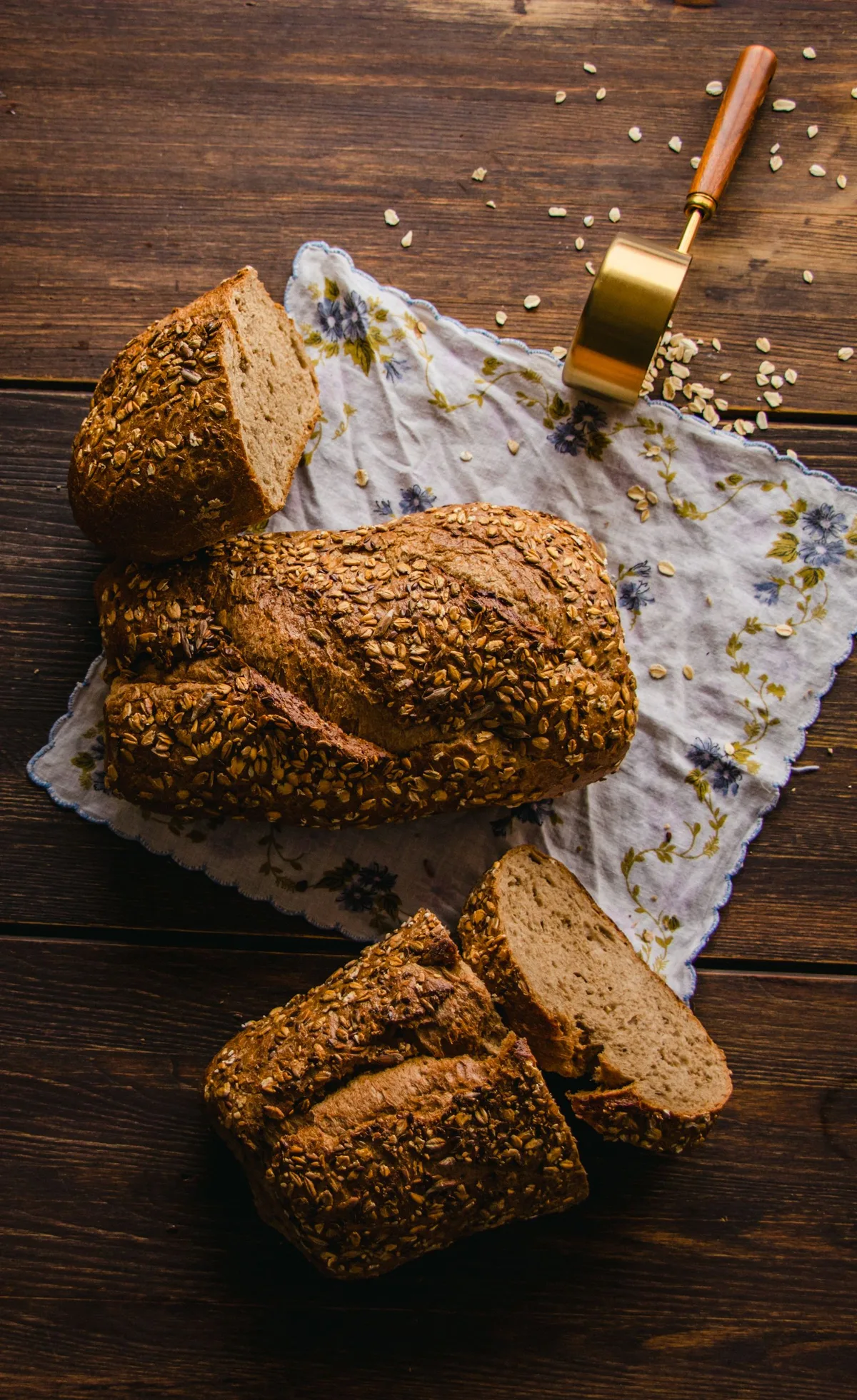
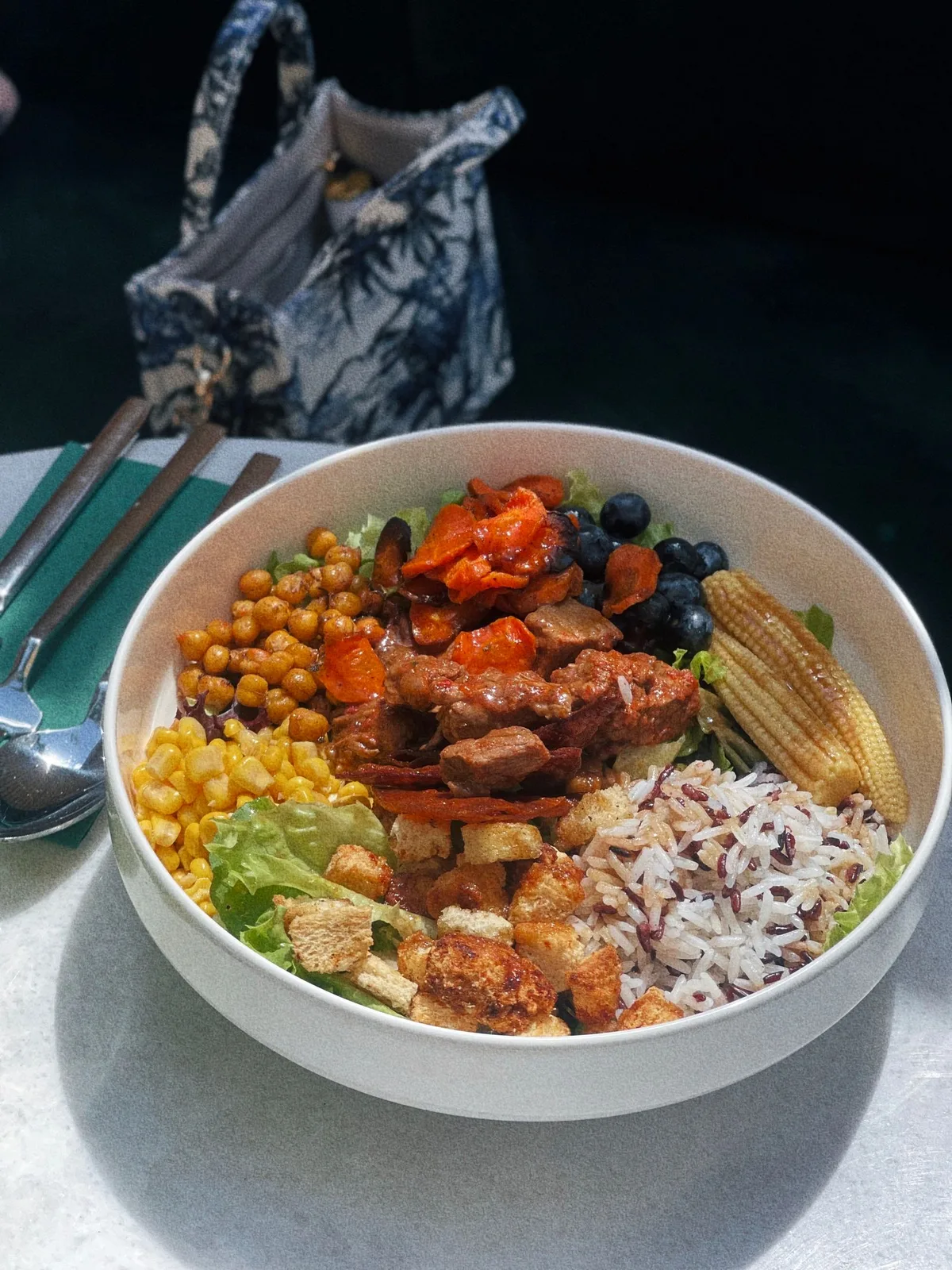
Everyday meals can combine grains, vegetables, and other foods; the image illustrates a meal combination only. Photo: Sude Akpınar / Pexels.
A one-week bowel log
Date
Form and effort
Was the urge suppressed
The one thing changed today
Bloating, pain, and other changes
One entry a day
In your own words
Yes / No
One meal, one drinking window, or one short walk
Warning symptoms never wait for a review
Check tolerance at three days, effort at a week. Dietary changes can take weeks (per CUH), but that’s not a deadline you must wait out. If nothing improves or you feel progressively worse, consult a doctor or pharmacist and stop stacking methods. An incomplete log is still fine to bring.
When self-care stops
Constipation with persistent abdominal pain, inability to pass gas, vomiting, fever, or blood in the stool needs prompt medical contact; severe abdominal pain, repeated vomiting, marked bloating with no gas passage calls for urgent care. Don’t keep adding fiber, drinking oil, or massaging to “push it through.” These signals follow NIDDK’s guidance.
Without urgent symptoms, book an evaluation if self-care hasn’t worked, constipation keeps recurring, bowel habits have clearly changed, or you have a family history of colorectal cancer. Pregnancy, children, post-surgery recovery, and people under chronic-disease care follow their own plans; this article’s general adult routine does not replace individualized advice.
Keep constitution observation and medical evaluation separate
The free constitution self-check explores tendencies across nine traditional types and can pair with the lifestyle log in this hub for long-term self-observation; it cannot detect obstruction, diagnose constipation, or choose treatment. Take the constitution self-check if you’d like — and leave the medical questions to the professionals.
When to seek care
Seek a professional assessment if you notice any of the following:
Blood in the stool, black stools, or an abnormal stool blood test
Unexplained weight loss
Persistent or worsening abdominal pain or bloating
A sudden, lasting change in bowel habits — especially if new after middle age
Accompanying fatigue, anemia, or other whole-body symptoms