
Menopause

Explore hot flushes, sleep and mood changes around menopause, everyday observations, traditional TCM concepts and when to seek assessment.

By · Published: · Editorial Policy

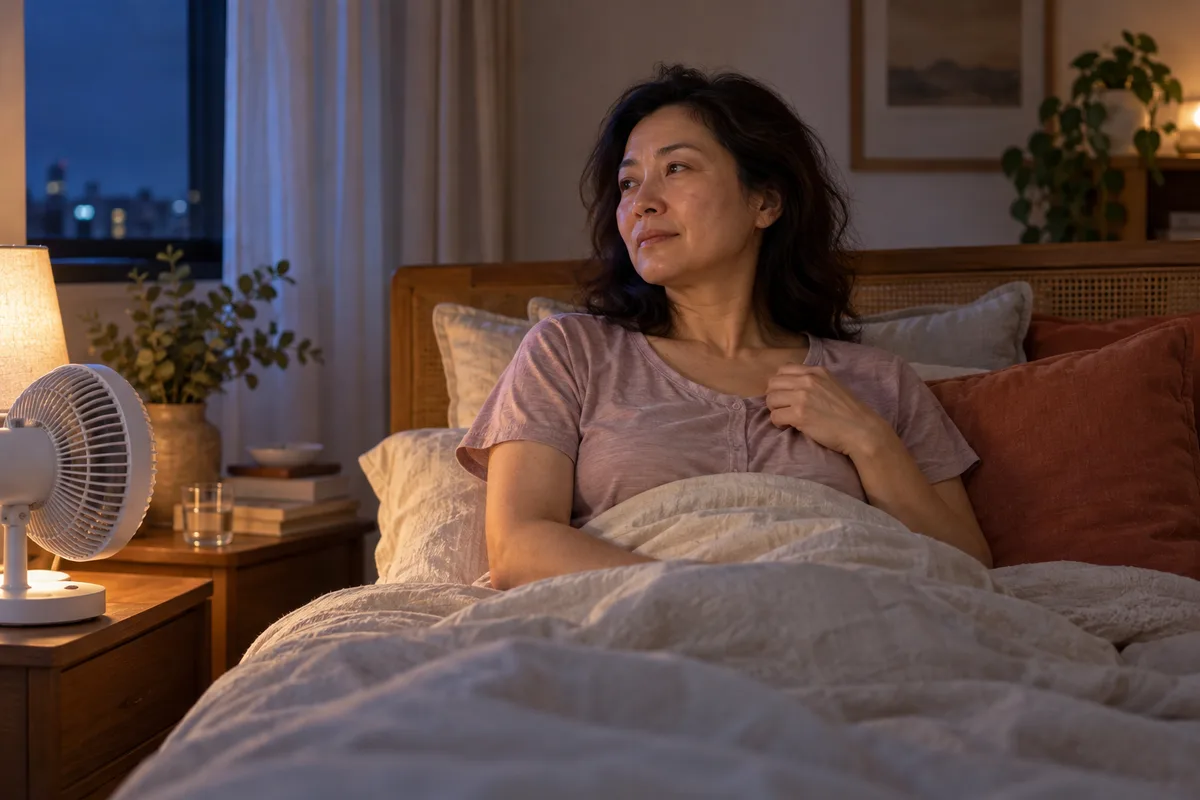
A middle-aged woman using a hand fan beside a window
All article topics

Menopause · Articles in this topic

14 articles

Topic overview

Common signs

These descriptions can help you understand and record what you notice. They cannot establish a diagnosis on their own.

  • Sudden waves of hot flashes

    A surge of heat rising from the chest to the face, with flushing and sweating, that passes within minutes. Log how often they strike and what sets them off — stress, spicy food — to gauge severity.

  • Night sweats

    Waking to damp clothes or bedding, with sweating that stops once you're up, often fragmenting sleep. If it persistently ruins your sleep, mention it at your next appointment.

  • Lighter, easily broken sleep

    Falling asleep takes longer, or you wake in the night and can't drift back. Notice whether hot flashes are breaking your sleep or sleep itself has grown shallow — the two call for different approaches.

  • Mood swings and irritability

    Irritability, anxiety, or low moods that swing more sharply than before. If mood changes persistently affect work or relationships, it's worth seeking professional support.

  • Irregular menstrual cycles

    Cycles that shorten, lengthen, or vary in flow are a common sign of perimenopause. Very heavy bleeding, prolonged periods, or bleeding between periods should be checked promptly.

Concepts in traditional Chinese medicine

  • Kidney Yin Deficiency
  • Kidney Yang Deficiency
  • Liver Qi Stagnation
  • Heart-Kidney Disharmony

These are concepts from a traditional medical framework, not modern medical diagnoses. Do not select a treatment or identify a pattern from symptoms alone. Discuss TCM approaches with a qualified health professional, and do not delay or replace needed medical care.

TCM safety and research overview (NCCIH)

When to seek care

Seek a professional assessment if you notice any of the following:

  • Any vaginal bleeding a year or more after your final period — this always deserves prompt evaluation
  • Hot flashes, poor sleep, or mood symptoms that seriously disrupt work or daily life
  • Persistent low mood, marked anxiety, or thoughts of hopelessness
  • Very heavy or prolonged periods, or bleeding between periods
  • New palpitations, chest tightness, or rising blood pressure

Download the App

Get personalized TCM health recommendations