
Stress & Anxiety

Explore the physical and emotional signs associated with stress, everyday observations, traditional TCM concepts and when to seek support.

By · Published: · Last updated: · Editorial Policy

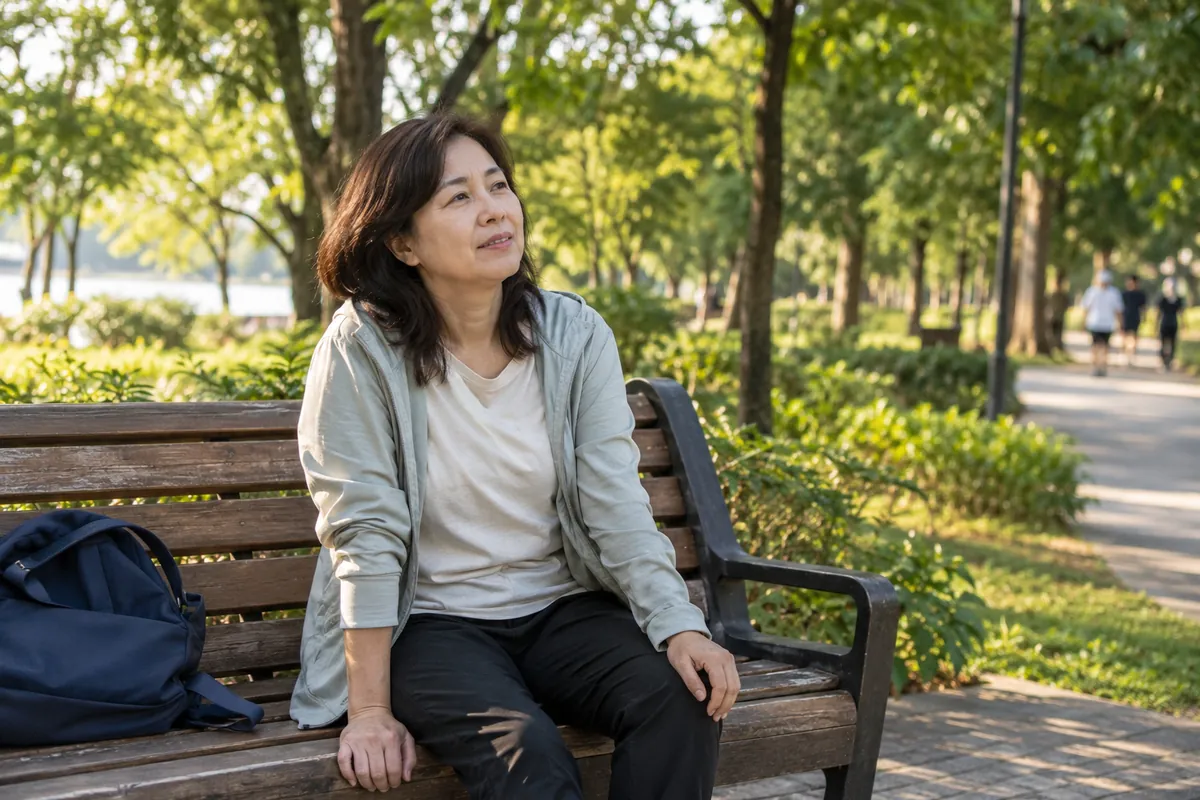
A person meditating beside a view of trees
All article topics

Stress & Anxiety · Articles in this topic

12 articles

Topic overview

Common signs

These descriptions can help you understand and record what you notice. They cannot establish a diagnosis on their own.

  • Racing thoughts

    The mind won't switch off — replaying the day or rehearsing worries about the future, especially at bedtime. Writing the worries down can help; if they don't settle on their own over time, pay attention to how your mood is trending.

  • Muscle tension

    Clenching your jaw or hunching your shoulders without noticing, with a stiff, achy neck and shoulders that worsens after long sitting or stressful days. Check in on your neck and shoulders daily and see whether stretching and release work helps.

  • Sleep problems

    Trouble falling asleep, frequent waking, or sleep that doesn't refresh — clearly tied to stressful events. If it happens several nights a week for weeks on end, work on both stress relief and a steadier routine.

  • Irritability

    Snapping over small things, running out of patience, then regretting it — to a degree that strains relationships at home or work. If this persists and starts costing you, take the source of stress seriously and consider reaching out for support.

  • Difficulty concentrating

    Easily distracted, slower work, errors that survive repeated checking. Sustained tension drains the energy focus depends on; regular sleep, meals, and movement are a reasonable first experiment.

Concepts in traditional Chinese medicine

  • Liver Qi Stagnation
  • Heart Blood Deficiency
  • Kidney Deficiency
  • Spleen Deficiency

These are concepts from a traditional medical framework, not modern medical diagnoses. Do not select a treatment or identify a pattern from symptoms alone. Discuss TCM approaches with a qualified health professional, and do not delay or replace needed medical care.

TCM safety and research overview (NCCIH)

When to seek care

Seek a professional assessment if you notice any of the following:

  • Low mood or anxiety lasting more than two weeks despite self-care
  • Any thoughts of self-harm — seek help immediately
  • Marked physical symptoms such as chest pain, pounding heartbeat, or fainting
  • Frequent panic attacks that interfere with work or social life
  • Relying on alcohol or medication to fall asleep or stay calm

Download the App

Get personalized TCM health recommendations